Source Turbo Diesel Engine Valve Seat for Excavators, Tractors, Mining
Compare 30 listings for turbo diesel engine valve seat components suitable for excavators, tractors, and mining machinery. Buyers can review specifications, materials, and pricing to find the right replacement parts for various engine models; compare the available evidence and request quotations based on your requirements.
Key considerations
Products List


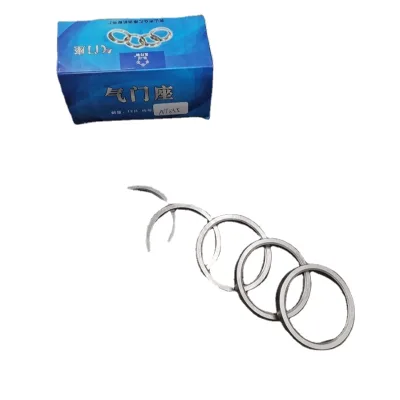


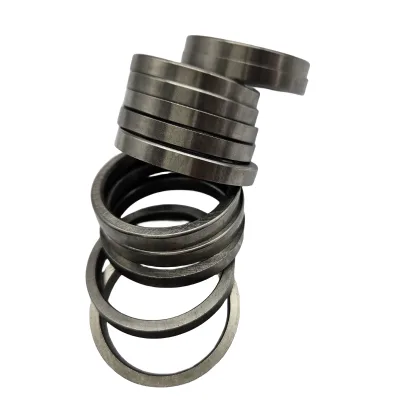


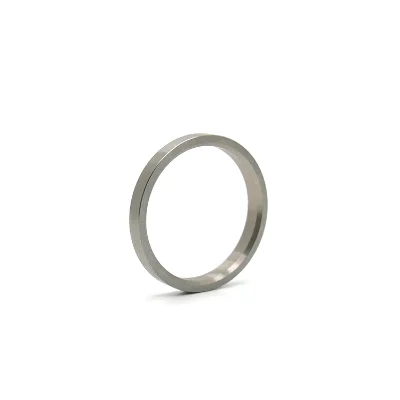


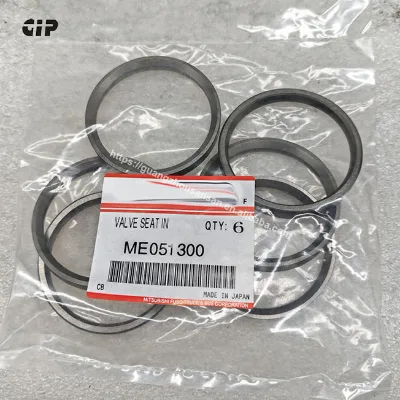

Comprehensive Sourcing Guide
Turbo Diesel Engine Valve Seat Sourcing Guide
Procuring turbo diesel engine valve seats requires distinguishing between generic casting methods and specialized alloy solutions designed for high-stress environments. The market presents a mix of standard iron components and advanced cobalt alloy variants, each serving distinct operational needs within heavy machinery and mining applications. Buyers must first identify whether their specific engine model, such as the 195 or 1100 series, demands a standard size or a custom dimension based on engineering drawings.
Verification of the material composition is the primary decision point, as listings often cite both iron and aluminum alongside high-performance cobalt alloys. While some products are marketed with competitive pricing for general repair, turbo diesel applications typically require superior wear and heat resistance to withstand extreme combustion pressures. Sourcing strategies should prioritize suppliers who explicitly define the alloy type and confirm compatibility with the specific fuel medium, whether oil, gasoline, or corrosive liquids, to prevent premature failure.
Product Scope and Observed Listing Signals
The available product range spans from basic standard components to highly customized valve seats tailored for specific engine models like the W12V190 or WL1606. Listings frequently indicate that customization is available, allowing buyers to request specific sizes or modifications that deviate from standard catalog offerings. This flexibility is critical for maintaining legacy equipment or adapting parts for unique industrial machinery applications where off-the-shelf solutions may not fit.
Observations of packaging and origin reveal a diverse supply chain originating from regions such as Dongguan, Liaoning, and Zhejiang in China. Products are typically shipped in protective packaging ranging from plastic bags and cardboard boxes to heavy-duty plywood crates, ensuring integrity during transit. Buyers should note that while some items are listed as new, the condition and specific application details, such as use in excavators or tractors, must be cross-referenced with the actual engine requirements to ensure functional suitability.
Technical Specifications to Verify
Engine model compatibility is the most critical technical parameter, with specific series like 195, 1100, 1105, and 1115 requiring precise dimensional matching. Buyers must verify that the listed model number, such as 200354 or S195, aligns exactly with their engine's specifications rather than relying on generic descriptions. The size is often defined as OEM or according to drawing, necessitating a direct comparison between the supplier's technical data and the original equipment manufacturer's blueprints.
Performance characteristics must be validated against the operational demands of the turbo diesel engine, particularly regarding resistance to wear, heat, and corrosion. While some listings highlight features like competitive pricing, the physical attributes of the valve seat, including its ability to handle high temperatures and abrasive media, are paramount. Technical verification should include confirming the production technique, such as casting, and ensuring the material properties meet the rigorous standards required for continuous heavy-duty operation.
Compliance and Safety Documentation
Certification status varies significantly across listings, with some products citing ISO standards while others reference specific industry certifications like ISO9001 or ASTM. Buyers must request and validate these documents to ensure the manufacturing process adheres to recognized quality management systems. The presence of a certificate does not automatically guarantee compliance for every specific engine application, so independent verification of the certification scope is essential before finalizing a purchase.
Safety and regulatory compliance also extend to the materials used, particularly when the valve seat is exposed to corrosive liquids or high-temperature combustion gases. Documentation should confirm that the product meets relevant safety standards for industrial machinery parts, ensuring that the component will not fail under stress. Buyers should scrutinize the listed standards, such as ISO2008 or CE, to confirm they apply to the specific product variant being sourced, rather than assuming broad applicability across the entire supplier catalog.
Cost Drivers and Commercial Terms
Pricing in this sector is influenced heavily by material costs, with cobalt alloy seats commanding higher prices than standard iron or aluminum alternatives. The observed price range is vast, reflecting the difference between basic replacement parts and specialized, high-performance components designed for extreme conditions. Buyers should analyze the cost per unit relative to the expected service life and performance benefits, rather than selecting the lowest price option without considering long-term operational reliability.
Commercial terms such as payment methods, minimum order quantities, and delivery times are key factors in the procurement decision. Listings indicate payment via T/T and delivery windows ranging from 3 to 7 days, though these figures may vary based on order volume and customization requirements. Understanding the lead time and MOQ is crucial for inventory planning, especially when sourcing for critical maintenance where downtime costs exceed the price difference between standard and premium parts.
Supplier Qualification and Quality Control
Supplier qualification should focus on the consistency of their manufacturing processes and their ability to provide traceable quality data. The presence of a warranty, such as a 3-month coverage, offers a baseline level of assurance, but buyers must verify the specific terms and conditions attached to this guarantee. It is vital to confirm that the supplier has a robust quality control system in place to ensure every batch meets the specified material and dimensional standards.
Quality control checks should include verifying the origin of the product and the specific production location, as regional manufacturing capabilities can vary. Suppliers from established industrial hubs like Shandong or Liaoning may offer different levels of expertise depending on their specialization in engine parts. Buyers should request sample testing or third-party inspection reports to validate claims regarding wear resistance and material integrity before committing to large-scale orders.
Long-Term Procurement Checks
Establishing a long-term relationship with a supplier requires consistent monitoring of product performance and adherence to delivery schedules. Buyers should implement a feedback loop to track how the valve seats perform in actual field conditions, noting any deviations from expected wear rates or failure modes. This data is essential for refining future specifications and ensuring that the chosen components continue to meet the evolving demands of the machinery fleet.
Regular audits of the supplier's capacity and quality systems are necessary to maintain supply chain resilience. As engine models evolve or maintenance requirements change, the ability of the supplier to adapt their production lines and offer updated specifications becomes a critical asset. Procurement strategies should include periodic reviews of the supplier's certification status and material sourcing practices to ensure ongoing compliance with industry standards and safety regulations.
FAQs
What materials are used for turbo diesel engine valve seats?
Turbo diesel engine valve seats are typically manufactured from iron or aluminum to ensure durability under high pressure. Some specialized variants utilize cobalt alloy for enhanced wear and heat resistance. These materials are selected based on the specific engine model and operating conditions to provide optimal performance and longevity for the component.
Can these valve seats be customized for specific engine models?
Yes, customization is available for turbo diesel engine valve seats to fit various engine models such as 195, 1100, and 1105. Buyers can request specific sizes according to their drawings or OEM specifications. This ensures a precise fit for applications ranging from excavators to tractors, meeting unique mechanical requirements effectively.
What certifications do these engine parts typically hold?
These engine parts commonly hold ISO certifications, including ISO9001, to ensure quality management standards are met. Some products also adhere to ASTM standards for material properties. These certifications verify that the manufacturing processes and final products meet international quality benchmarks, providing buyers with confidence in the reliability and consistency of the components.
How long is the delivery time for these valve seats?
The standard delivery time for these valve seats is typically 3 to 7 days. This rapid turnaround supports efficient maintenance and repair schedules for industrial machinery. Buyers should confirm specific lead times with suppliers, as production volume and customization requirements may occasionally extend the standard shipping window for urgent orders.
What is the warranty period for these engine components?
The warranty period for these engine components is generally 3 months. This coverage protects buyers against manufacturing defects and ensures product reliability during initial operation. Buyers should review specific warranty terms with the supplier, as conditions may vary based on the material type, application, and specific usage guidelines provided with the product.
Which applications are suitable for these valve seats?
These valve seats are suitable for a wide range of applications including excavators, lawnmowers, tractors, trucks, and mining equipment. They are also used in metal processing machinery parts. The versatile design allows them to handle various media such as oil, gasoline, and corrosion liquids, making them ideal for diverse industrial and agricultural machinery.